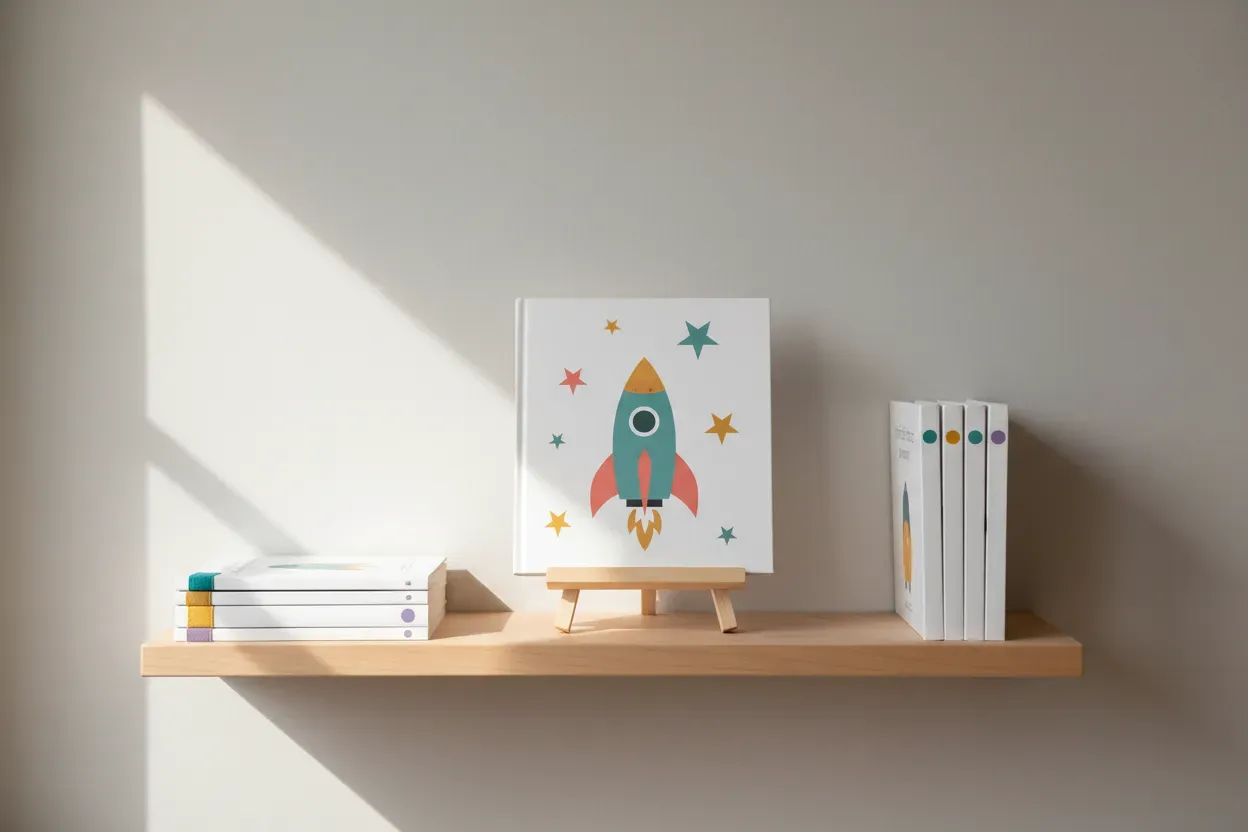
Face-out children’s book on wooden easel with color-coded spines on a low shelf, soft neutral background.

Refresh Classroom and Home Libraries: Simple Rotation and Display Habits That Boost Children’s Book Discovery

Refresh Classroom and Home Libraries: Simple Rotation and Display Habits That Boost Children’s Book Discovery

Children often overlook books that sit in the same spot for too long, making regular rotation essential for keeping young readers engaged. This article shares three practical strategies to refresh classroom and home libraries, drawing on insights from educators and literacy specialists. These simple habits can transform how children discover and connect with books throughout the year.

  • Showcase Student-Written Stories
  • Launch Themed Discovery Basket
  • Rotate Topics And Spotlight Kid Favorites
  • Run Mystery Wrap Reveals
  • Link Hits To Hidden Gems
  • Use First-Line Teaser Cards
  • Label Shelves With Simple Icons
  • Tuck Surprise Reads In Common Spots

Showcase Student-Written Stories

Make one shelf or display dedicated to stories written by children, including those produced in StoryQuest and in the Stories Without Borders library. Make it a regular habit for students to check out a peer-written book and bring it back to share or respond to with their own writing. Children read those books differently because they are reading to know what another child imagined, which drives browsing and choice. This practice keeps the collection feeling new without constant purchases because new titles are created and circulated by the students themselves.

Kate Markland, Author and Advocate for Children’s Voices Through Storytelling, StoryQuest

Launch Themed Discovery Basket

At Sunny Glen Children’s Home, I’ve learned that kids don’t need new books to feel excited about reading. They just need to see the same books differently. The best trick I’ve found is what we call our “feature basket” system.

Every Monday, I pull six to eight books from our existing collection and put them in a simple basket with a themed label. Themes might be “friendship stories,” “books that make you think,” or “adventure picks.” The books aren’t new. They’ve been on our shelves for months or even years. But when they’re grouped together and presented as special, kids who walked past them dozens of times suddenly want to check them out.

This single habit has increased browsing more than anything else I’ve tried. The basket sits right by our common area entrance where kids can’t miss it. I switch the theme and selection every week, which takes maybe ten minutes of my time. Sometimes I’ll ask the kids themselves to curate a basket, which gets them even more invested.

I also rotate our shelf displays seasonally. In October, I’ll pull out anything slightly spooky. During spring, I feature books about growth and nature. The local library has been generous about loaning us small collections that rotate every few months, giving us fresh material at zero cost.

What surprises me most is how kids will recommend books to each other once they discover something they love. I keep a simple recommendation board where they can post short reviews. One kid’s enthusiasm about a book they found in the feature basket often leads three others to read it too.

You really don’t need a big budget. You just need to keep presenting your existing collection in ways that feel new and inviting.

Wayne Lowry

Wayne Lowry, Executive Director / CEO, Sunny Glen Children’s Home

Rotate Topics And Spotlight Kid Favorites

Honestly, I stopped trying to keep buying new books all the time because it gets expensive fast, especially as a mom. What worked much better for us was rotating books instead of displaying everything at once. I keep maybe 70% of our books stored away and switch themes every couple of weeks, like animals, funny stories, mysteries, or seasonal books. The funniest part is that my kids react like the books are brand new every time they come back out.

I also started doing little “face out” displays instead of stacking books on shelves because kids really do choose with their eyes first. One thing that surprisingly helped was letting my kids make their own mini recommendation shelf. When they display their favorites, the other kids immediately get curious and start trying books they normally would have ignored.

Marissa Sabrina

Marissa Sabrina, Creative Director, LeadLearnLeap

Run Mystery Wrap Reveals

Wrapping a few books in plain paper turns them into small mysteries. Short clues on the cover spark guesses and build buzz before the reveal. The paper keeps covers from stealing the surprise, so readers focus on wonder, not habit. New wraps can rotate each week to keep interest fresh.

After a guess, the unwrap feels like a reward and invites quick sampling. A reveal chart on a board can track guesses and winners without pressure. Try a two-week mystery wrap cycle and invite students to write the next clues today.

Link Hits To Hidden Gems

Bridge popular titles to hidden gems with simple comparison tags. A card that says Like Dragons in a Bag, Try The Dragonet Prophecy directs energy from one favorite to another. The familiar anchor lowers choice stress and opens new lanes. Arrows or color codes can map several paths from one hit to many options.

Rotate the anchor titles as trends shift to keep pathways fresh. Invite peers to suggest pairs so the web reflects real tastes. Start a weekly Like X, Try Y spotlight and track which titles get picked next.

Use First-Line Teaser Cards

First lines hook readers faster than long summaries. Small cards with the opening sentence placed by each spine invite quick, low-risk taste tests. The short text fits busy moments and can be read while standing at the shelf. Rotating which books get cards each month keeps the display alive.

Students begin to match tone and genre from a single line, which builds preview skills. Curious readers then pull the spine that matches the mood they want. Print a set of first-line cards and swap them in during your next shelf tidy.

Label Shelves With Simple Icons

Clear icons help young readers scan shelves with confidence. A rocket for science, a paw for animals, or a heart for friendship turns spines into simple signs. Icons beat long labels when time is short or reading levels vary. Color borders can add a second cue for mood, such as calm, silly, or bold.

A small legend on a shelf end sign teaches the code in seconds. Refresh stickers during rotations so old books feel new again. Build an icon key today and sticker a single shelf to test the system.

Tuck Surprise Reads In Common Spots

Unexpected finds turn routine moments into reading sparks. A surprise book by the water bottle bin or next to the art caddy invites a quick flip. Short reads or high-picture picks work well in these touch points. Rotating the stash keeps eyes searching and forms a fun habit loop.

A note that says Found you a smile today adds warmth without pressure. This gentle nudge can draw in readers who avoid the main shelf. Place two surprise books in common spots this week and refresh them every Friday.

Related Articles

Leave a Comment

Your email address will not be published. Required fields are marked *